Decommissioning of the Caine
The Caine Mutiny Court-MartialThe decommissioning of the USS Caine closes both the ship’s wartime service and Willie Keith’s life as a naval officer. At a dock in Bayonne, with the guns removed, the ammunition and fuel gone, and the paperwork complete, the ceremony makes an unceremonious ending carry the weight of a larger reckoning: what counts as service when a ship’s work was mostly routine, its crew dispersed, and its captain about to leave the Navy behind?
Setting and Formal End
Three weeks after the preceding events, on the morning of October 27, Willie sat in his cabin in a bridge coat, reading Pascal’s Pensées. The open porthole admitted raw, dank air; outside lay supply-depot sheds and the oil-tank-dotted flats of Bayonne. The USS Caine had been tied alongside the dock for three days, stripped of its guns and emptied of ammunition and fuel. All the paperwork was finished, and the decommissioning ceremony was half an hour away. The ship’s material condition made its status unmistakable: its working equipment and supplies were gone before the ceremony formally ended its service.
The ceremony took place against the residue of Willie’s own recent journey home. Since leaving Pearl Harbor, he had conned the ship through the Panama Canal, passed Florida, and brought a United States warship into New York Harbor. Nearing home, however, had made the transition out of naval life feel stranger rather than easier. His Navy identity seemed to dissolve as familiar landmarks returned, but the civilian self waiting beneath it did not feel quite like the person he had been before. The ship’s decommissioning therefore coincides with a less visible ending: Willie is no longer a serving officer, yet his old life does not simply reappear intact.
Ceremony and Dispersed Crew
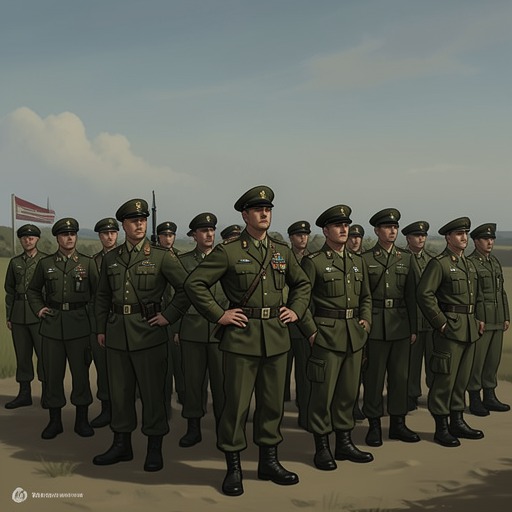
When Willie’s executive officer announced that the ship’s company was at quarters, Willie put down his book and went out to the forecastle. He returned the crew’s mass salute from the rusty, empty circle where the number-one gun had stood for thirty years. The crew before him no longer resembled the company with whom he had shared the ship’s defining experiences. Many men released through the Navy’s point system had already gone; the ranks now included new ensigns and junior officers, a few familiar faces, and married draftees with children who had been called up late in the war. Willie searched the diminished gathering for Tom Keefer, Steve Maryk, Harding, Jorgensen, Rabbitt, Alfred Peter Ducely, and Captain Queeg, but none was there. The absence of that earlier company made the ceremony a separation from particular people as well as a formal end to the ship’s service.
Willie read aloud the decommissioning order in a high, strained voice. He had prepared a long sentimental address, but looking at the unfamiliar faces left him with little to say. His first words instead acknowledged that most of those present were new to the USS Caine. The official order could declare the ship decommissioned; it could not restore the crew that had given the ship its accumulated history. The ceremony thus set the legal act of ending service beside the personal difficulty of finding an audience for memories that most of the assembled sailors had not shared.
The Meaning of Caine Duty
Willie described the USS Caine as a broken-down, obsolete ship that had steamed through four years of war without a unit citation or spectacular achievement. It had been intended as a minesweeper, he said, but swept only six mines during the war; most of its work consisted of menial fleet duties, including several hundred thousand miles of escorting. These specifics prevent his defense of the ship from depending on an invented record of glory. Its service was valuable precisely though its work was unremarkable by the standards of headline-making combat.
His speech turns that apparent insignificance into a claim about collective effort. The crew, he said, had helped keep the country existing and had pitted its lives and brains against the sea and the enemy, doing what it was told to do. He insisted that the hours aboard the ship would come to seem more important with time, and that the Caines’ less celebrated work supported the victories whose dates and places became more conspicuous. The movement of the address is from the ship’s deficiencies and modest record toward the meaning of duty: routine service is not made spectacular, but it is made consequential. Willie’s final judgment, “Caine duty is the kind of duty that counts,” gives the ship’s ordinary labor a place in the larger history of winning the war.
Lowering the Flag and Leaving
After the speech, Willie gave the order, “Lower the flag.” His executive officer brought him the ragged remnant of the commission pennant; Willie rolled it up and put it in his pocket. He also asked for the jack to be wrapped and brought to his cabin, then arranged for it to be mailed to Horrible’s parents. The flag and jack remain as small material remnants of a ship whose guns, ammunition, and fuel had already been removed. His instructions preserve a connection to the ship even as he carries out the formal steps that end its commission.
The completion of the ceremony is followed by practical acts of transfer: Willie hands over the keys and records, signs the last logs, and sees his bags taken to the dock. He leaves by the abandoned gangplank without saluting. There are no colors to salute and no officer of the deck; the narrative’s blunt conclusion is that the USS Caine is junk. The absence of the usual objects and personnel of naval ceremony turns his departure into more than a change of location. The ship no longer functions as a command, and Willie no longer occupies the role that gave its rituals their meaning.
A yard jeep takes Willie to the gate, where Mrs. Keith has been waiting in her Cadillac and driving to Bayonne each day since the ship arrived. Her taking him home reverses an earlier passage: she had driven him to the Navy’s gates, and now she drives him away from them. Willie understands this as the end of his sailor life, while the change in his identity remains unsettled rather than complete. He has also been unable to find May Wynn; calls to her agent have not reached the agent, and Mrs. Keith has said nothing about May. These unresolved circumstances frame the decommissioning as an ending without an immediate return to the life Willie left behind: the ship is finished, but the civilian future it releases is still uncertain.